Honoring King Saint Stephen in Mezőkaszony
On August 20, residents and officials gathered in Mezőkaszony to pay tribute to King Saint Stephen, the founder of the Hungarian state, with a wreath-laying ceremony commemorating his enduring legacy.
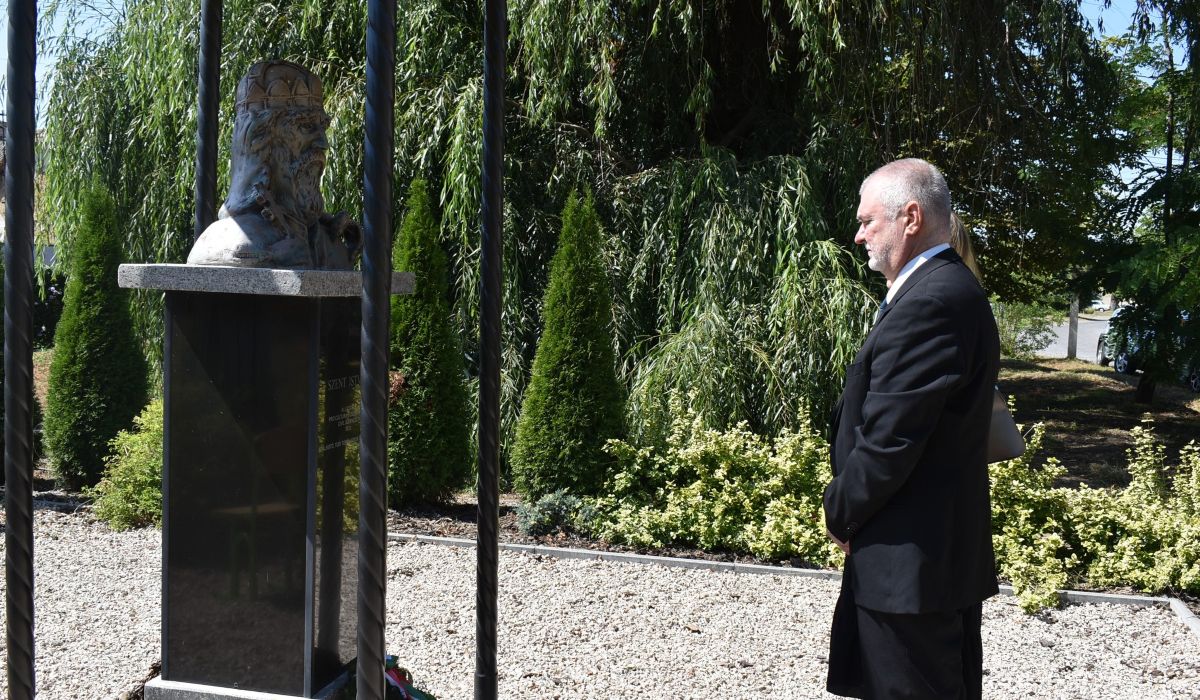
Organized by the NGO Pro Cultura Subcarpathica (PCS), the event marked a return to tradition. Since 2015, PCS has hosted major celebrations on this national holiday, originally in Mezőkaszony. Over the years, the festivities moved to Tiszacsoma, yet the bond with Mezőkaszony remained strong. Due to the current wartime circumstances, however, the festival format was set aside in favor of a more solemn commemoration at the bust of King Stephen – a statue unveiled in 2021, created by sculptor Tibor Túri Török.
In his keynote address, György Balogh, Consul of Consulate of Hungary in Berehove, emphasized that Saint Stephen’s legacy transcends political regimes and is deeply rooted in Christian faith, moral strength, and ethical principles – values that have upheld Hungarian identity through 41 generations.
“The survival of the Hungarian nation would have been unimaginable without this spiritual foundation,” Balogh noted. “It is the Hungarian government’s duty to safeguard and nurture the sense of national unity under all circumstances. In this spirit, institutional support is provided throughout Transcarpathia – from nurseries to universities.”
Sándor Berghauer, Vice-Rector of the Ferenc Rákóczi II Transcarpathian Hungarian College of Higher Education, echoed this sentiment. He described August 20 as a symbolic anchor for Hungarians, a reminder of resilience amid adversity.
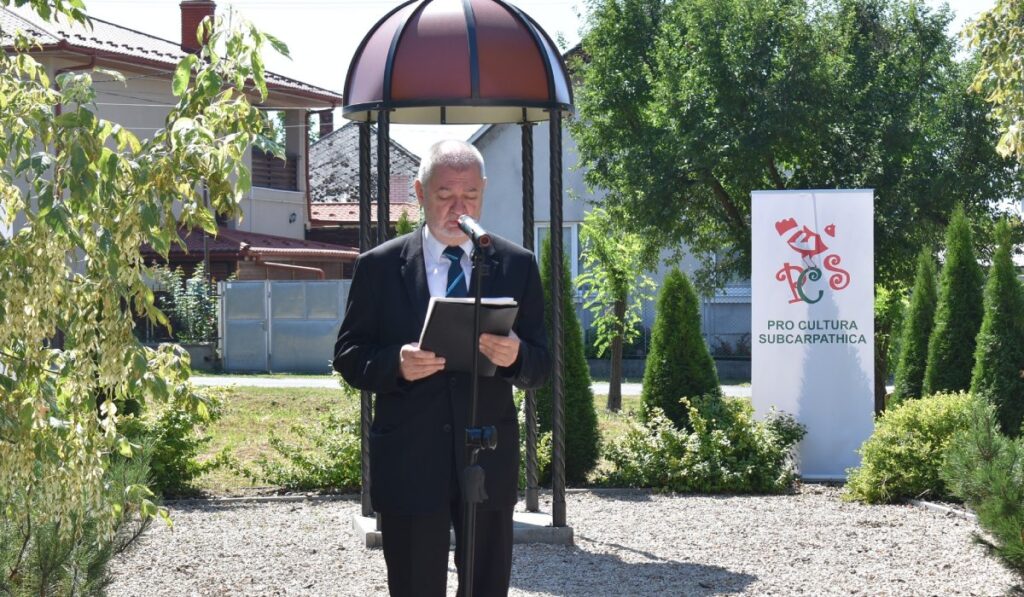
“Difficulties and challenges are part of life,” he said. “But our history shows that the Hungarian community can endure hardship and flourish again.”
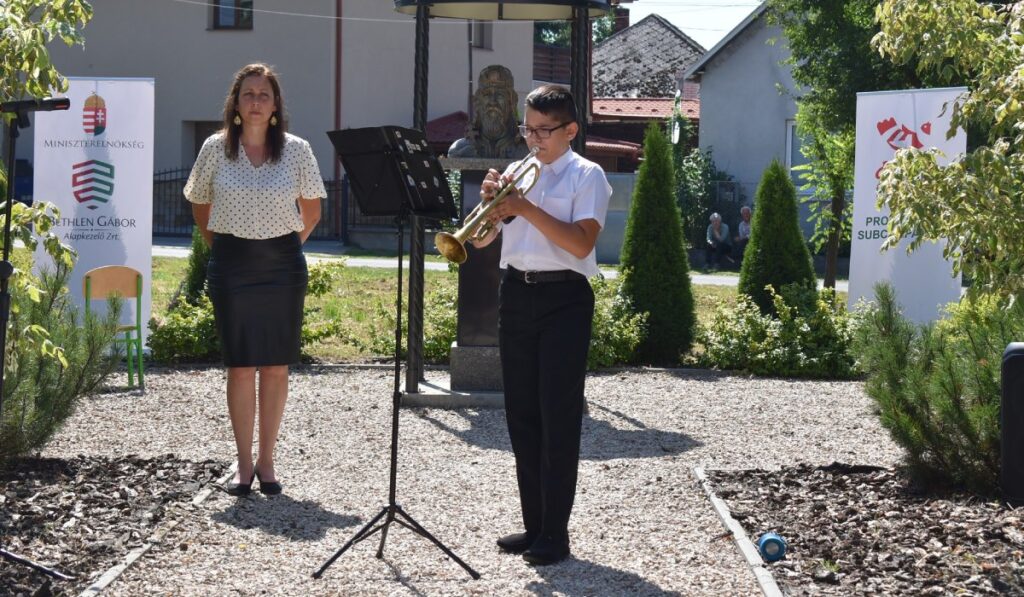
The event also featured a moving performance by Dániel-Miklós Szülek, a semifinalist and special prize winner from the Virtuózok music competition, captivating the audience with his musical talent.
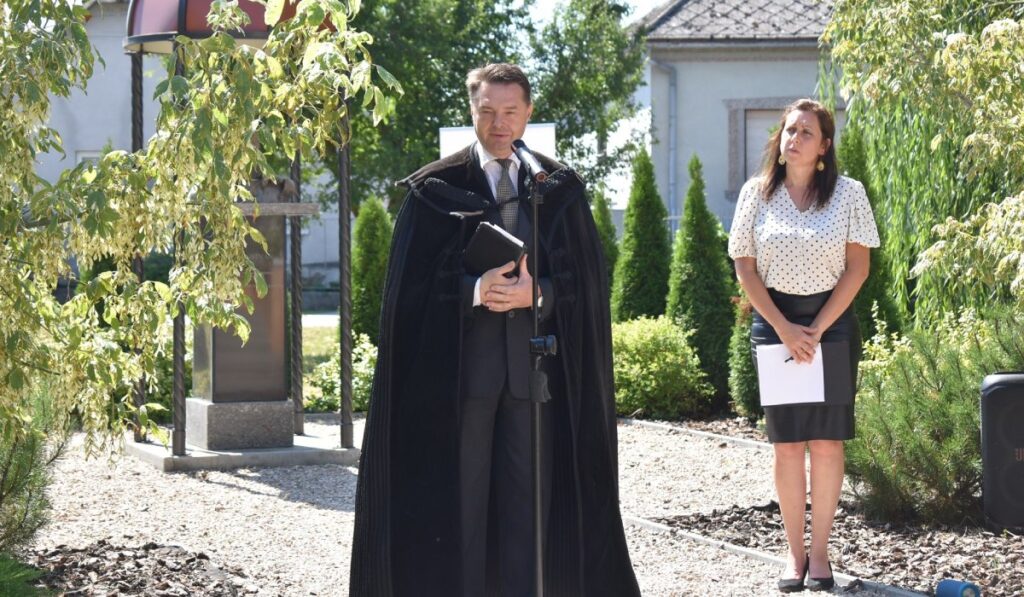
Reformed pastor Ferenc Radvánszky shared a spiritual message, offering blessings and reflections on the deeper meaning of statehood.
“State-building is not a single, isolated event,” he said. “It is a continuous process of setting an example – one that must be repeated time and again. Culture stems from cult – from a living relationship with God. Without this, culture crumbles into mere subculture; but when rooted in faith, it becomes enduring and life-giving.”
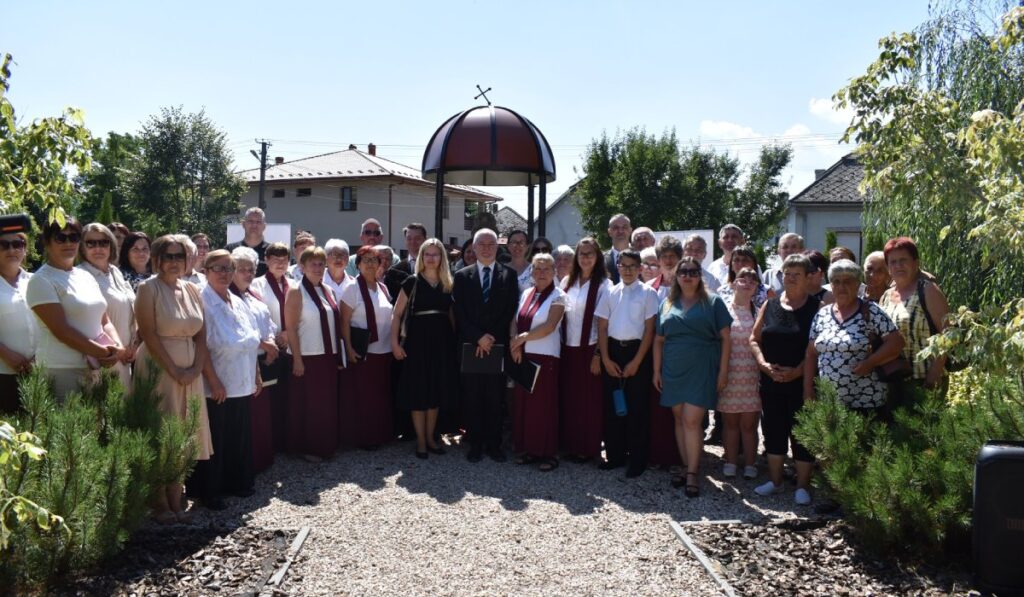
Following the speeches and performances, wreaths were placed at the bust of King Stephen by representatives from Hungary’s consulates in Uzhhorod and Berehove, the Rákóczi College, Pro Cultura Subcarpathica, the KMKSZ (Cultural Alliance of Hungarians in Transcarpathia), and the Gravis Civil Organization for the Development of Mezőkaszony and its Region.
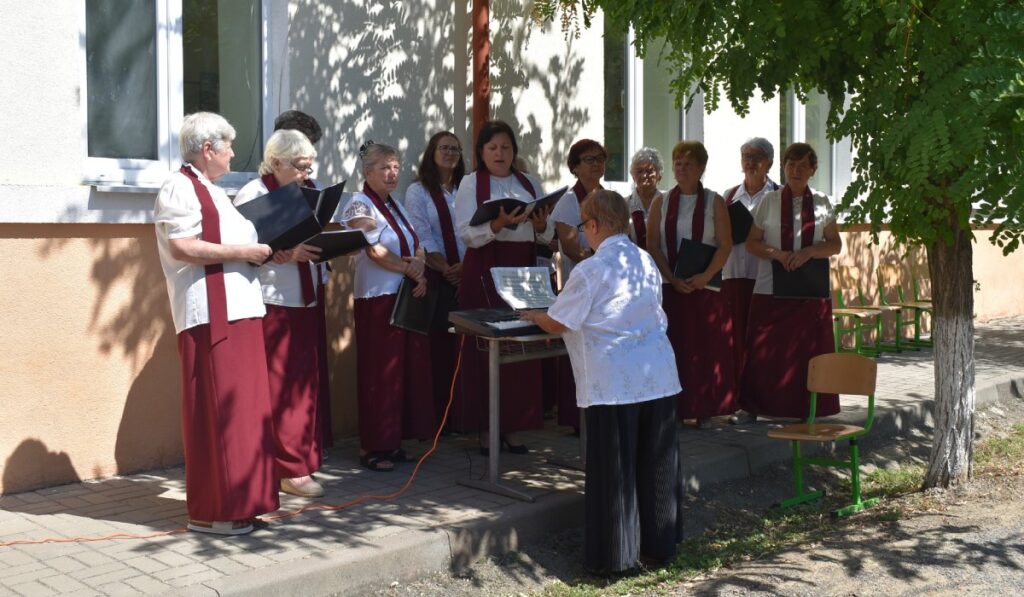
The ceremony was elevated by the harmonious voices of the Mezőkaszony Reformed Church choir, whose performance added a spiritual depth to the occasion.
Later that day, the KMKSZ hosted a cultural program and further commemorations in Tiszacsoma, continuing the tradition of honoring Saint Stephen and celebrating national identity.
The event was organized by Pro Cultura Subcarpathica with the support of the Hungarian Government and the Bethlen Gábor Fund.